

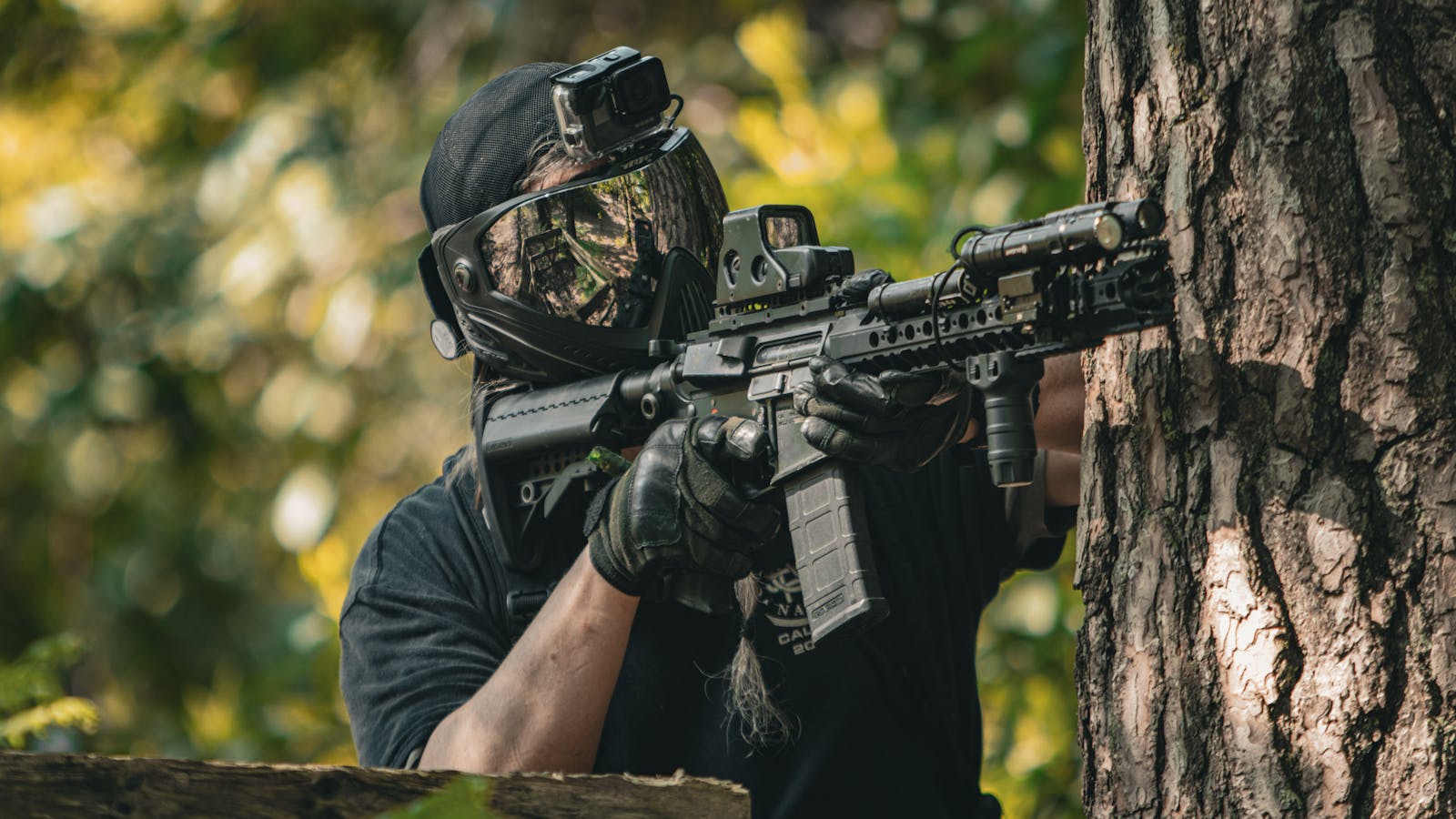
Most operators assume the smaller indoor arena is the cheaper one to insure. It is the compact box: fewer acres to patrol, no weather to plan around, four walls you can lock. The premium does not always agree. An underwriter does not price square footage. They price the risks the venue creates, and an indoor close-quarters arena and an outdoor wooded field create different ones. Move the same game indoors or outdoors and you change the setup, the safety rules, and the coverage that carries the most weight on your policy. If you are still at the planning stage, our guide to how to start an airsoft field covers the full launch sequence, and does an airsoft field need insurance covers what you must carry either way.
Here is the head-to-head, and where the premium gap really comes from.
Indoor vs outdoor airsoft, side by side
To a generalist agent, an airsoft field is an airsoft field. To an underwriter who prices the class, the venue type sorts your operation into a different risk picture before the first quote.
| Factor | Indoor CQB arena | Outdoor field |
|---|---|---|
| Footprint | Compact building, close engagements | Acreage, long sightlines |
| Setup driver | Fire code, occupancy limit, ventilation, lighting | Terrain, netting, structures, perimeter buffer |
| Velocity rules | Lower FPS cap, short engagement distances | Higher FPS allowed with minimum engagement distances |
| Dominant injury risk | Close-range eye and dental hits, crowd slips | Trip and fall on terrain, long-range hits |
| Weather exposure | None, climate controlled | Wind, storm, lightning, heat |
| Revenue pattern | Year round | Seasonal and weather dependent |
| Heaviest coverage | Property on buildout, premises and fire liability | Property on weather-exposed structures, perimeter liability |
Neither venue is automatically the cheaper one. They are priced on different exposures, and the operator who understands which exposures their venue creates is the one who buys the right limits instead of overpaying for the wrong ones.
What changes when you move the game indoors or outdoors
The setup decision drives almost everything else, so start there.
Indoor close-quarters arena. You are insuring a building and what you build inside it. The barricades, walls, netting, and lighting rig are improvements you often pay to install, and on a leased space that buildout is yours to insure. Indoor play also pulls fire and life-safety code into the picture: a posted occupancy limit, marked exits, emergency lighting, and assembly-occupancy review from the local fire marshal. Ventilation matters more than new operators expect, because BB dust and crowding sit in a closed room. The upside is real: no weather closures and year-round revenue.
Outdoor field. You are insuring acreage, terrain, and weather-exposed structures. Towers, bunkers, netting, and storage containers all sit outside, and a single severe-storm event can flatten a season of buildout. The perimeter is the other half of the job. Stray BBs leaving the property, neighbors, nearby roads, and the simple fact that replica firearms are visible from outside all create third-party exposure an indoor arena does not have. Revenue follows the weather and the calendar.
The safety rules that diverge by venue
Both venues need the same eye protection discipline, but the rules that protect players, and the rules an underwriter scores, shift with the setup.
Outdoor fields have long sightlines, so they tend to allow higher muzzle velocities for rifles and then enforce minimum engagement distances: a player cannot fire a high-velocity gun inside a set distance and switches to a sidearm or a bang rule up close. Indoor arenas run the opposite way. Engagements happen at a few feet, so the field caps velocity lower and leans on short or zero engagement distances to keep close hits survivable. Both run a chronograph at check-in to enforce the cap.
The injury that drives airsoft underwriting either way is the eye injury, and the indoor close range raises the stakes. The American Academy of Ophthalmology reports that eye injuries from non-powder guns, the category that includes airsoft, BB, and pellet guns, have risen sharply, with air-gun-related hospital admissions up roughly 600 percent since 2010 and the average age of the injured patient dropping from 16 to 9. The same source notes a meaningful share of young patients still had reduced vision after treatment.
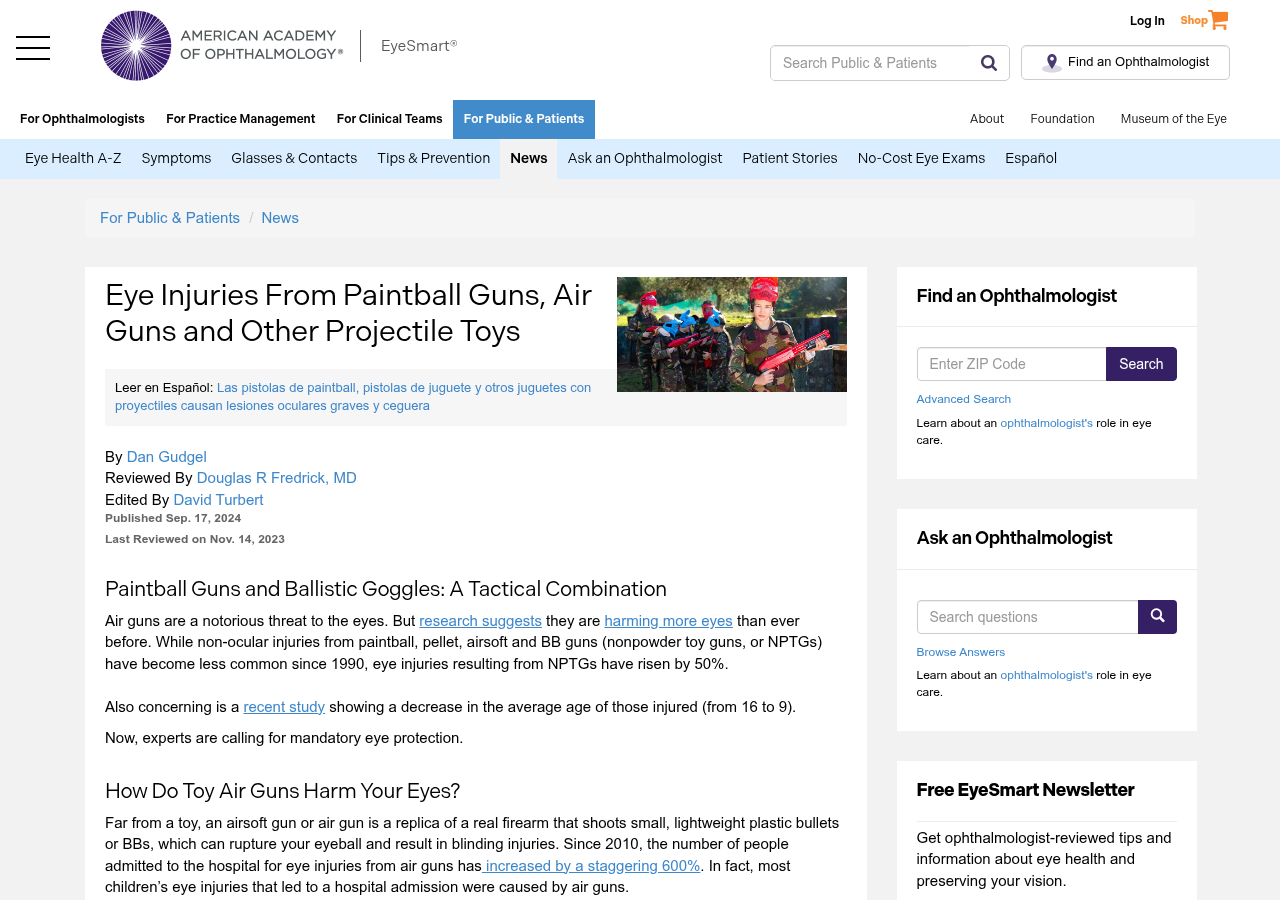
Source 1 of 2 · Clinical injury record
The American Academy of Ophthalmology documents the rise and severity of air-gun and airsoft eye injuries. At indoor close-quarters ranges the consequence of a lifted goggle is higher, which is why sealed eye protection is the control a carrier credits most.
Source: aao.org/eye-health/news/combating-eye-injuries-from-air-guns
That severity profile is what a carrier underwrites against, and it is why the safety rules earn the premium credit. Mandatory sealed, impact-rated eye protection for everyone on the field (many fields require goggles rated to ANSI Z87.1), an enforced velocity cap, and minimum engagement distances are the controls that move the rate. A field that posts the rules, logs the chronograph, and keeps the signed briefings prices below a field that cannot show any of it.
| Safety rule | Indoor CQB arena | Outdoor field |
|---|---|---|
| Velocity cap | Lower cap for close play | Higher cap allowed |
| Engagement distance | Short or zero, bang rules | Minimum engagement distance enforced |
| Eye protection | Sealed, impact-rated, full seal at close range | Sealed, impact-rated |
| Chronograph | At check-in | At check-in |
| Venue-specific control | Occupancy limit, exits, ventilation | Perimeter netting, weather holds, heat plan |
The mistake is thinking a smaller field is a smaller risk. Move airsoft into a closed room and the hits happen at a few feet, so I read the velocity cap and the eye-protection rule before I read the size of the place. A tight indoor arena that enforces its rules is a better risk than a sprawling outdoor field that does not.
Bobby Sharp, Action Sports Practice Lead, Specialty Insurance
Where the premium gap comes from
Three coverages carry most of the gap between an indoor and an outdoor field, and they pull in different directions.
Property. Indoor operators usually insure the buildout: the barricades, the walls, the lighting rig, and the contents. Lease a space and those improvements and betterments are yours to schedule. Outdoor operators insure fewer walls but more weather. Netting, towers, and storage sit exposed, and the federal record shows why that is a rising cost. The National Centers for Environmental Information logged 27 separate weather and climate disasters with losses above one billion dollars each in the United States in 2024 alone, including the severe-convective-storm clusters of the kind that shred field netting.
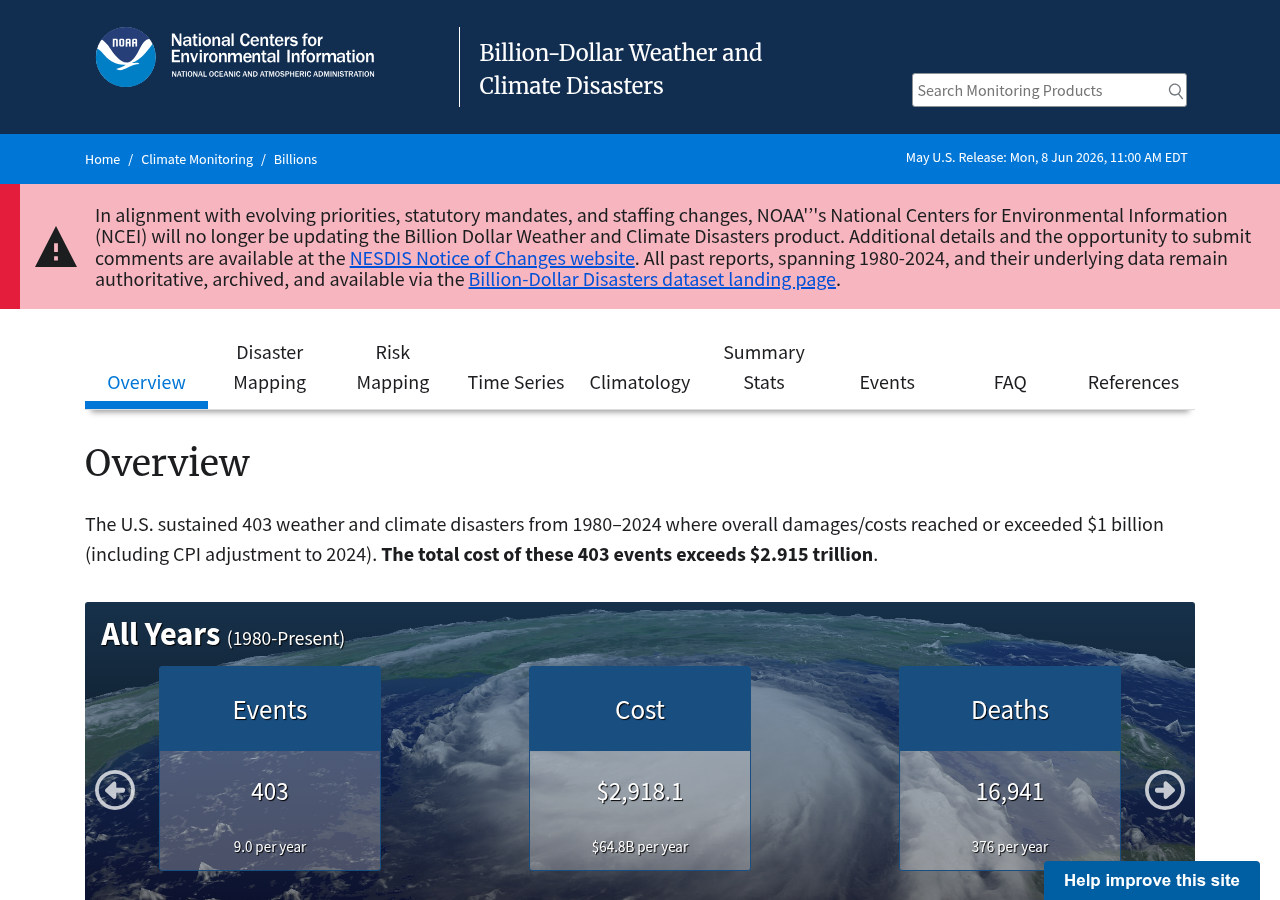
Source 2 of 2 · Federal disaster record
The NOAA National Centers for Environmental Information tracker is the authoritative federal record of US weather disasters causing one billion dollars or more in damage. 2024 logged 27 such events, the exposure an outdoor field's weather-exposed structures sit inside.
Source: ncei.noaa.gov/access/billions
Premises and general liability. An indoor arena concentrates people in a building, so the premises exposure looks like stairs, crowding, and the fire and egress duties that come with assembly occupancy. An outdoor field spreads people across terrain, so the exposure looks like trip-and-fall on uneven ground and the perimeter risk of a BB or a player leaving the property. The standard ISO General Liability form excludes injury to sports and athletic participants on either venue, which is why every airsoft field, indoor or outdoor, needs Participant Injury bolted onto its General Liability. We cover that gap in full in our breakdown of the coverage gaps a generalist agent will miss.
Business income. A climate-controlled indoor arena runs year round. An outdoor field loses days to storms and a chunk of the calendar to season, which changes how business interruption is priced and how much of it you genuinely need.
So which venue is cheaper to insure?
The honest answer is that it depends on the venue, not the category. An indoor arena often carries more property value in the buildout and more fire and premises duty. An outdoor field often carries more weather-exposed property and more perimeter liability. The label does not set the rate. For the full pricing picture and the bands new fields land in, see our airsoft insurance cost guide.
What sets the rate is what you can control. Enforced sealed eye protection, a documented velocity cap, a chronograph log, scheduled property at replacement cost, and a clean loss history move the premium more than the indoor-versus-outdoor question ever does. Under-schedule the rental fleet of automatic electric guns and you are underinsured on either venue, a trap we break down in why your field's General Liability policy probably has gaps. The operators who price best are the ones who match the coverage to the venue instead of buying a generic airsoft policy and hoping it fits.
The venue tells me which coverages to lean on. The operator tells me how well they run it. An indoor arena with a logged chronograph and scheduled property, or an outdoor field with storm-rated netting and a documented weather hold, both price better than the same venue run loosely. I price the discipline, not just the address.
Bobby Sharp, Action Sports Practice Lead, Specialty Insurance
That kind of read is the difference between a policy that matches your operation and one that only matches half of it.
"Specialty Insurance diligently takes their time and works with you, making sure your business has all the correct and specific coverages you need. There is no other source out there that does what they do for the airsoft and paintball industries."
The mistakes operators make insuring an indoor or outdoor field
The same patterns repeat on both venues, usually because the operator priced the label instead of the risk.
- Assuming indoor is cheaper because it is smaller. Square footage does not set the premium. The buildout value, the occupancy, and the fire duty often make an indoor arena the heavier property and premises risk.
- Leaving the outdoor buildout under-scheduled. Netting, towers, and storage are weather-exposed assets. Insure them at replacement cost, not a guess, before the first severe-storm season.
- Carrying one velocity and eye-protection policy for both venues. If you run indoor and outdoor play, the rules differ, and the policy and the posted safety standards should reflect both.
- Forgetting the perimeter on an outdoor field. A stray BB that leaves the property is a third-party claim a generalist policy may never have contemplated.
- Skipping the chronograph log. When the first eye-injury claim arrives, the carrier asks for the log from that day. Operators who started late have no defense, indoor or outdoor.
Talk to an airsoft specialty broker about your venue
The venue you run decides which exposures matter, and a specialty broker prices those exposures instead of averaging them. Whether you are building an indoor close-quarters arena, opening an outdoor field, or running both, Specialty Insurance writes airsoft field insurance in all 50 states and schedules your Property on what your venue owns. Send us the site and the play format, and we will build the program around your real risk. For how indoor-versus-outdoor stacks against the sport-versus-sport question, see our airsoft versus paintball insurance breakdown.
Frequently Asked Questions
Is indoor airsoft cheaper to insure than outdoor airsoft?
Not automatically. An indoor arena often carries more property value in its buildout and more fire and premises duty, while an outdoor field carries more weather-exposed property and perimeter liability. Venue type changes which coverages lead, not which one is always cheaper. The bigger lever is how tightly the field enforces eye protection, a velocity cap, and a chronograph log.
Why do indoor and outdoor airsoft fields have different safety rules?
Engagement distance. Outdoor fields have long sightlines, so they allow higher muzzle velocities and enforce minimum engagement distances. Indoor arenas play at a few feet, so they cap velocity lower and rely on short or zero engagement distances and bang rules. Both run a chronograph at check-in and require sealed, impact-rated eye protection.
Does an indoor airsoft arena need different insurance than an outdoor field?
The core program is the same: General Liability with Participant Injury, Property, and Workers' Compensation once you have staff. What shifts is the weighting. Indoor arenas lean on property for the buildout plus fire and premises liability, while outdoor fields lean on property for weather-exposed structures plus perimeter liability.
Does property insurance cover airsoft netting and structures damaged by a storm?
It can, if those structures are scheduled. Outdoor netting, towers, and storage are weather-exposed assets, and the federal disaster record shows severe storms are a rising cost. Schedule them at replacement cost so the carrier pays to rebuild rather than a token amount.
Do I need separate coverage if I run both indoor and outdoor airsoft?
Usually one program can cover both, but the policy has to reflect both venues and both sets of safety rules. Name each operation, schedule the property at each site, and confirm the velocity and eye-protection standards are documented for each. Vague wording is where dual-venue operators get claims argued.
Sources
- American Academy of Ophthalmology, "Eye Injuries From Paintball Guns, Air Guns and Other Projectile Toys": clinical record of the rise and severity of air-gun and airsoft eye injuries, the exposure that drives close-range underwriting.
- NOAA National Centers for Environmental Information, "Billion-Dollar Weather and Climate Disasters": federal record of US disasters causing one billion dollars or more in damage, 27 events in 2024, the weather exposure outdoor structures sit inside.
- Specialty Insurance, "The Action-Sports Coverage Gaps a Generalist Agent Will Miss": why a generalist General Liability policy leaves airsoft participants uninsured.
- Specialty Insurance, "Why Your Paintball Field's GL Policy Probably Has Gaps": how action-sports property and rental fleets get under-scheduled.
- Specialty Insurance, "Airsoft vs Paintball Insurance": the sport-versus-sport premium comparison that sits alongside this venue comparison.