

A second location is not a copy of the first one
The moment a single-location action-sports business signs a lease on location number two, the insurance program that worked for one site quietly stops being adequate. Not because it was wrong. Because a multi-location operation is a different risk structure, and the policy was built for the old one.
The instinct is to call the broker and say "add the new address." Sometimes that is the right move. Often it is not, and the operator finds out at a claim, when the aggregate limit shared across both sites has already been spent. This is the scenario-by-scenario version of what to fix before you open the doors on location two.
The aggregate limit is the first thing that breaks
Every General Liability policy carries two numbers: a per-occurrence limit and an aggregate limit. The aggregate is the most the policy will pay across all claims in a policy period. For a single location, an aggregate of $2M on top of a $1M per-occurrence limit is a common, comfortable structure.
Add a second location to the same policy and both sites now draw from that one aggregate pool. Two busy venues, a bad year, and the aggregate that protected one location is being asked to protect two. A serious claim at location one can leave location two underprotected for the rest of the policy period, and nobody notices until the second claim arrives.
The expansion mistake I see most is not a missing policy. It is a shared aggregate. The operator added the second address, the premium went up, and everyone assumed the coverage scaled. The limit did not scale. It just got split.
Bobby Sharp, Action Sports Practice Lead, Specialty Insurance
Separate policies vs blanket coverage
There are two ways to structure a multi-location program, and the right answer depends on the operation.
| Structure | How it works | Best when |
|---|---|---|
| Blanket policy | One policy covers all locations, shared limits | Locations are similar, low claim volume, simple administration is the priority |
| Separate policies | Each location on its own policy and limits | Locations differ in activity, volume, or state; one site is materially higher-risk |
| Master program | One program, per-location schedules and limits | Larger portfolios that want centralized administration with location-appropriate coverage |
A blanket policy is simple, and simplicity has value. But a blanket policy with a shared aggregate is exactly the structure that splits the limit. A master program, with each location scheduled and rated on its own activity and volume, keeps the administration centralized while giving each site its own coverage. For a two-or-three-location action-sports operator, that middle path is usually the right one.
What else changes at location two
The aggregate is the headline. Three other things shift at the same time.
Property coverage. Each location has its own building, leasehold improvements, equipment, and business personal property. None of it is covered by the other location's property schedule. Every site needs its property scheduled and valued separately, at replacement cost. The outdoor-structure and rental-fleet traps we covered in the coverage gaps a generalist agent will miss apply once per location.
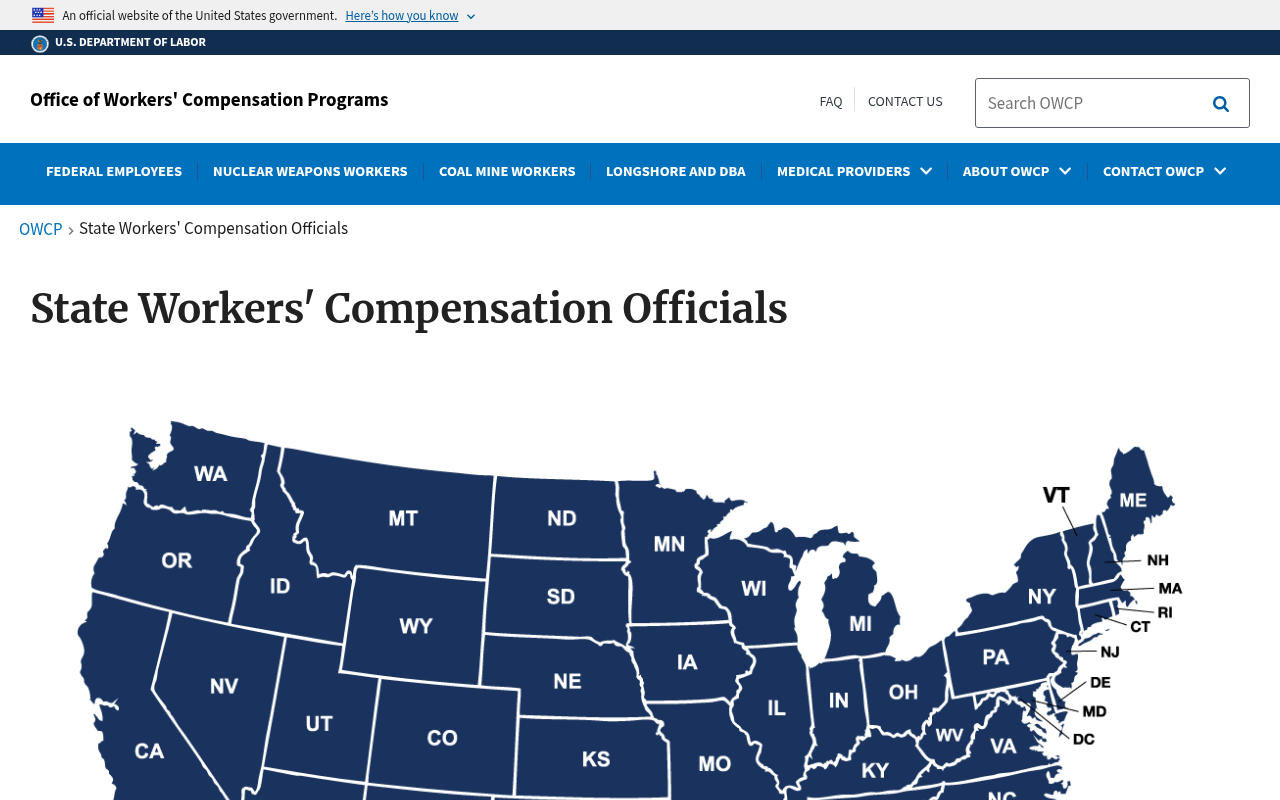
Workers Compensation. Workers comp is governed state by state, and the requirements, rates, and rules differ. If location two is in a new state, the workers comp policy has to cover that state, which often means a multi-state endorsement or a separate policy. Every state runs its own workers' comp program through its own department; the U.S. Department of Labor maintains the canonical 50-state directory, with four monopolistic-fund states (North Dakota, Ohio, Washington, Wyoming) where coverage must be purchased from a state fund instead of the private market.
Reference source · U.S. Department of Labor
U.S. Department of Labor, Office of Workers' Compensation Programs directory of State Workers' Compensation Officials. Every state and territory has its own authority, its own statute, and its own classification rates. A second location in a new state means a workers comp restructuring, not a line-item endorsement.
Source: dol.gov/agencies/owcp/wc
Equipment that moves between sites. Multi-location operators commonly share a rental fleet, a tournament rig, or specialized equipment across locations. Equipment in transit between your own sites is an Inland Marine exposure, not a property exposure, a point we cover in Inland Marine for action-sports operators.
Certificate management gets heavier, fast
A single location generates a steady trickle of certificate-of-insurance requests: a landlord, an occasional event. A multi-location operation multiplies that: a landlord per site, event organizers, vendors, sometimes a franchisor, each wanting a certificate that names the correct underlying policy for the correct location.
The administrative load is real, and getting a certificate wrong, naming the wrong entity or the wrong policy, can stall a lease or an event booking. A specialty broker who can issue location-correct certificates quickly is part of what a multi-location program is buying.
When an operator opens location two, I do not add a line to the old policy. I rebuild the program: per-location limits, per-location property, the right workers comp for the new state, and a clean certificate process. Adding an address to an old policy is how the aggregate gets split without anyone deciding to split it.
Bobby Sharp, Action Sports Practice Lead, Specialty Insurance
That is the conversation operators describe after working with a specialty broker on a multi-location program for the first time.
"Specialty Insurance has been an incredible foundation for our business. They are personal, professional, and easy to work with."
Ballahack Airsoft LLC
Verified customer review
The right time to restructure is before the lease, not after
The single most useful thing an expanding operator can do is bring the broker into the expansion planning before signing the lease on location two, not after.
There are two reasons. First, coverage restructuring takes time, and you do not want to open a new location while the insurance program is mid-rebuild. Second, the lease itself will dictate insurance requirements, the limits, the additional-insured language, the notice provisions, and it is far easier to structure the program to meet the lease than to renegotiate the lease to fit the program.
A worthwhile move before signing: ask for an umbrella or excess quote sized for the multi-location exposure. One serious claim at one location should not be able to reach the assets that fund both. We made that case concrete in the real cost of being underinsured.
Frequently Asked Questions
Can I just add my second location to my existing insurance policy?
Sometimes, but be careful. Adding a location to a blanket policy means both sites share one aggregate limit. A serious claim at one location can leave the other underprotected. A per-location structure or a master program usually scales better.
What is an aggregate limit, and why does it matter for multi-location operators?
The aggregate limit is the most a liability policy pays across all claims in a policy period. On a blanket multi-location policy, every site draws from the same aggregate, so two locations can exhaust a limit that comfortably covered one.
Do I need separate workers comp for a second location in a new state?
Usually yes. Workers compensation is regulated state by state. A location in a new state generally requires that state to be covered, through a multi-state endorsement or a separate policy. Confirm it before the new location hires staff.
Should I use a blanket policy or separate policies for multiple locations?
A blanket policy is simpler but shares limits. Separate policies or a master program give each location its own limits and let each be rated on its own activity and volume. Operators with locations that differ in activity, volume, or state usually benefit from the per-location approach.
When should I review my insurance before expanding?
Before you sign the lease on the second location. Coverage restructuring takes time, and the lease will set insurance requirements that are easier to build the program around than to renegotiate later.
Sources
- U.S. Department of Labor, Office of Workers' Compensation Programs. State Workers' Compensation Officials directory. dol.gov/agencies/owcp/wc
- ISO Commercial General Liability form CG 21 01, "Exclusion: Athletic Or Sports Participants." insurancexdate.com
- Specialty Insurance. The Action-Sports Coverage Gaps a Generalist Agent Will Miss
- Specialty Insurance. Inland Marine Insurance for Action Sports