


The claim is decided in the first day, not the first week
A participant got hurt at your venue. The way that incident becomes a claim, and the way that claim resolves, is largely set in the first 24 hours, before an adjuster is ever assigned. The operators who come through a claim cleanly are not the lucky ones. They are the ones who did the same handful of things in the first day, every time.
This is the first-24-hours protocol we would hand any paintball, trampoline, axe-throwing, or family-entertainment operator. Print it. Put it behind the front counter. The day you need it, nobody will have time to look it up.
Step 1: Get medical attention and document that you did
The injured person comes first, every time. Call emergency services if there is any doubt about the severity. Then document, in the incident record, that care was offered and provided promptly and what that care was.
That documentation matters later. A clean record showing the venue responded immediately is one of the strongest facts in the file, and its absence is one of the first things a plaintiff's attorney probes.
Step 2: Secure the scene before anything moves
Do not return the equipment, the lane, the harness, or the section of course to service until it has been photographed and inspected. Do not let staff "tidy up." The scene as it was at the moment of injury is evidence, and it cannot be recreated once it is disturbed.
Cordon the area. Tag the equipment out of service. Hold it.
Step 3: Document everything, immediately
While the details are fresh, capture all of it:
- Photographs of the scene, the equipment involved, and the surrounding area from multiple angles.
- The conditions: time of day, weather, lighting, how busy the venue was, what activity was running.
- Contact information for the injured party and every witness, staff and customer alike.
- A written incident report, completed the same day, not reconstructed from memory a week later.
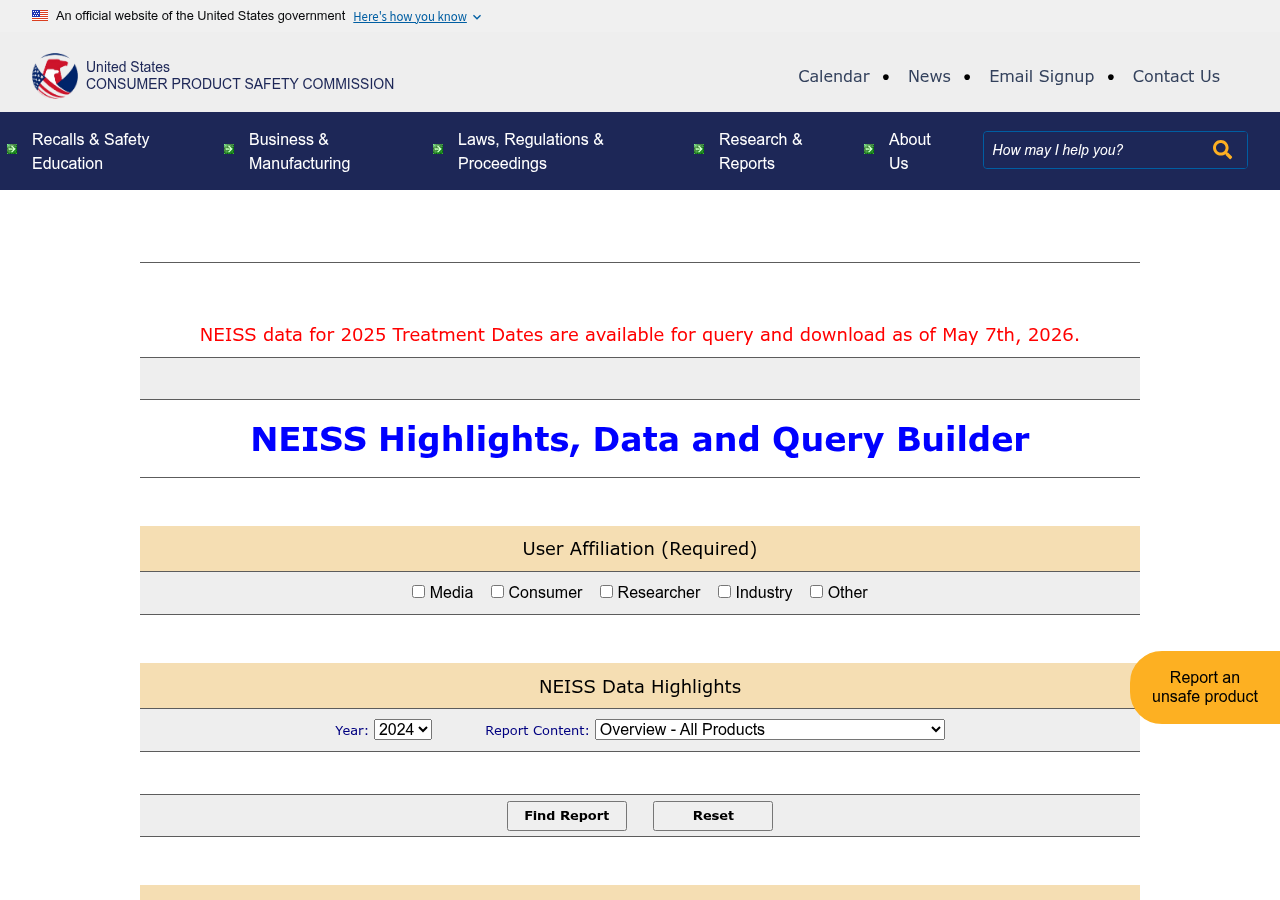
Source 1 of 2 · Federal injury surveillance dataset
The CPSC National Electronic Injury Surveillance System (NEISS), the federal record of consumer-product-related ER-treated injuries. Recreation-venue injuries appear in it every year; an incident is a when, not an if.
Source: cpsc.gov/cgibin/neissquery
Recreation-venue injuries are common enough that every operator should expect to run this protocol eventually. The US Consumer Product Safety Commission's National Electronic Injury Surveillance System (NEISS) tracks consumer-product-related injuries treated in emergency departments nationwide, and recreation categories appear in it every year (CPSC NEISS). An incident is not a sign you run a bad venue. How you document it is the thing you control.
The single best predictor of how a claim resolves is whether the operator has dated photographs and a same-day incident report. The venues that hand me that file get a fast, clean outcome. The ones reconstructing it weeks later are fighting uphill.
Bobby Sharp, Action Sports Practice Lead, Specialty Insurance
Step 4: Notify your broker and carrier the same day
Most policies require prompt notice of any incident that may give rise to a claim, even before a formal demand is made. Late notice is one of the most common reasons a carrier challenges coverage on an otherwise valid claim.
If the injury is serious, contact your broker the same day and send the incident report, the photographs, and the witness information. The Insurance Information Institute's guidance on liability coverage is direct on this point: once a claim or lawsuit reaches the business, every demand, notice, and summons must be forwarded to the insurer immediately (Insurance Information Institute, Liability Insurance).
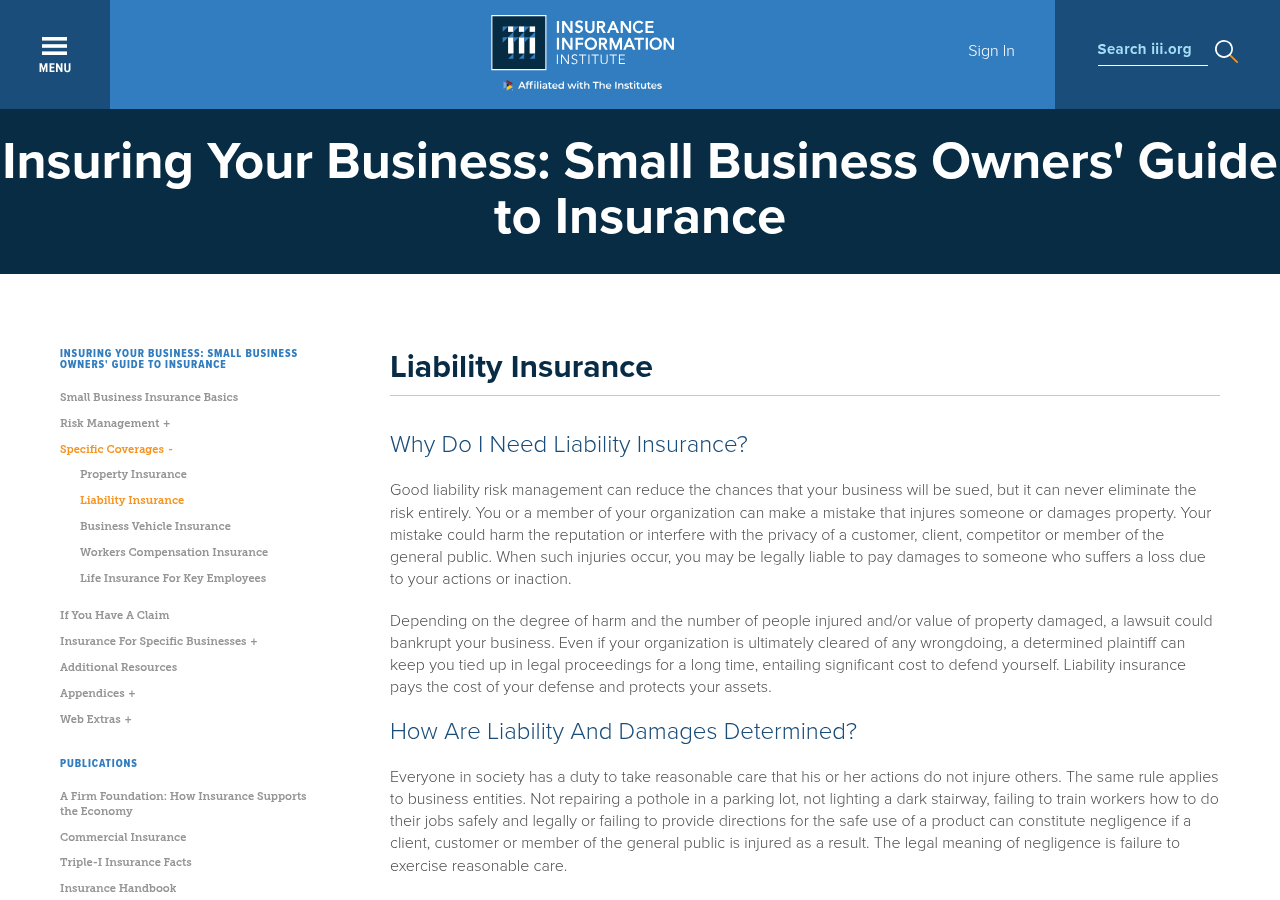
Source 2 of 2 · Insurance-industry reference
Insurance Information Institute guidance on liability coverage. It states plainly that every demand, notice, and summons must be forwarded to the insurer immediately once a claim reaches the business.
Source: iii.org/publications/insuring-your-business/.../liability-insurance
What not to do in the first 24 hours
The mistakes are as predictable as the protocol.
| Do not | Why it backfires |
|---|---|
| Admit fault or liability | Expressing sympathy is fine; admitting fault before the carrier is involved damages the defense |
| Pay the injured party from business funds | Even a small payment can be read as an admission of liability |
| Discuss the incident on social media | Public comments become evidence; refer all questions to the carrier or counsel |
| Put the equipment back in service | Destroys the scene and the strongest factual record you have |
| Delay calling the broker | Late notice is a leading reason carriers challenge coverage |
Sympathy and an apology for the situation are human and appropriate. An admission of fault is a different thing, and it belongs to nobody but the adjuster and counsel. Operators lose defensible claims in the first conversation, not the courtroom.
Bobby Sharp, Action Sports Practice Lead, Specialty Insurance
Step 5: Work with the adjuster, and lean on your broker
Once the claim is open, cooperate fully. Prompt responses and complete documentation resolve claims faster and on better terms.
This is where a specialty broker earns the relationship. A broker who understands action-sports operations is an advocate inside the claims process: they speak the carrier's language, they know which documents move a file, and they push for a resolution that reflects what happened. A generalist broker who placed the policy and moved on is not in the room. We cover the broker difference in the coverage gaps a generalist agent will miss.
"Specialty Insurance has been an incredible foundation for our business. They are personal, professional, and easy to work with."
Ballahack Airsoft LLC
Verified customer review
The five documents that build the defense file
When a claim comes in, the defense file is built fast or it is not built at all. Keep these five within reach:
- The same-day incident report, with witness names and conditions.
- Dated photographs of the scene and equipment.
- The signed waiver for the injured participant, matched to the date of the incident.
- The equipment and maintenance log for whatever was involved.
- Staff training and safety-briefing records showing the venue's standard procedure.
A waiver is part of this file, but it is a defense, not a substitute for coverage. We explain where it holds and where it does not in do waivers replace insurance.
Frequently Asked Questions
How fast do I need to report an incident to my insurance carrier?
The same day, for any serious injury, and promptly for anything that could become a claim, even before a formal demand. Most policies require prompt notice, and late notice is a common reason carriers challenge coverage.
Should I apologize to an injured customer at my venue?
You can express sympathy and concern; that is human and appropriate. Do not admit fault or liability. An admission before the carrier is involved can damage the claim defense.
Can I pay an injured participant's medical bill directly to keep things friendly?
Avoid it. A direct payment from business funds, even a small one, can be interpreted as an admission of liability. Route medical-payment questions through your carrier, which is what participant accident coverage is for.
What should be in an action-sports incident report?
The date, time, conditions, and activity running; a description of what happened; the injured party's and witnesses' contact information; the equipment involved; the care provided; and the staff member completing it. Complete it the same day.
Why does prompt notice to the carrier matter so much?
Insurance policies require it, and a carrier can challenge coverage on a late-reported claim. Prompt notice also lets the carrier preserve evidence, interview witnesses while memories are fresh, and control the defense from the start.
Sources
- US Consumer Product Safety Commission, National Electronic Injury Surveillance System (NEISS). cpsc.gov/cgibin/neissquery
- Insurance Information Institute. Liability Insurance, Small Business Owner's Guide. iii.org
- Specialty Insurance. The Action-Sports Coverage Gaps a Generalist Agent Will Miss
- Specialty Insurance. Do Waivers Replace Insurance?