

TL;DR: GL covers the bystander, Participant Injury covers the customer
Here is the whole article in one table. Read it, then read the rest to understand why the gap exists and how operators get caught by it.
| Coverage | Who it pays | The trigger event |
|---|---|---|
| General Liability | A third party: a spectator, a vendor, a visitor in the parking lot | A slip, a trip, property damage you caused, a stray projectile leaving the field |
| Participant Injury | The paying customer, actively doing the activity | A go-kart collision, an axe-throwing rebound, a fall on a climbing wall, a trampoline landing |
The most common coverage gap in action sports is the one operators discover at the worst possible moment: their General Liability policy does not cover their participants. The customer who paid to do the activity is the single most likely person to be injured at the venue, and a standard GL policy is built to exclude exactly that person.
What General Liability does
General Liability covers third-party claims for bodily injury and property damage arising from your operations. The operative phrase is third party: someone outside the business relationship between you and the person doing the activity.
If a bystander slips on a wet floor, a vendor trips over equipment, or a spectator is struck by something that left the playing area, General Liability responds. For a law office or a retail store, GL is most of the insurance conversation. For a go-kart track, an axe-throwing venue, or a trampoline park, GL is only the first of two conversations.
The participant exclusion: where the gap lives
Most standard commercial GL policies carry a participant exclusion. The common form is ISO CG 21 01, the Athletic or Sports Participants exclusion, which removes coverage for bodily injury to any person practicing for or participating in a sport or athletic activity the business sponsors.
For a retail store, that exclusion is meaningless; the store has no participants. For an action-sports venue, it removes coverage for the injuries most likely to occur on the premises. The exclusion is not hidden malice. It is how the GL form is built. The problem is that operators read "General Liability, $1M" and assume it covers everyone, when the form has already carved out their customers.
General Liability is named for what it does not do. It is general. It is not built for the venue where the customer straps in, climbs up, or steps onto the course. The participant exclusion is the line that decides whether your customers are insured, and most operators have never read it.
Bobby Sharp, Action Sports Practice Lead, Specialty Insurance
What Participant Injury coverage does
Participant Injury is two coverages working together, and an action-sports venue usually wants both.
Participant Accident is a no-fault medical-payment coverage. If a customer is hurt during the activity, it pays their medical expenses up to the policy limit regardless of who was at fault. Its job is to keep a minor injury from becoming a lawsuit, by getting the medical bill handled before anyone calls an attorney.
Participant Legal Liability extends liability coverage to participant claims. If a participant sues and the venue is found legally responsible, this coverage defends the venue and pays the judgment, where a GL policy with the participant exclusion would not respond at all.
Together they close the exact gap the participant exclusion opens. The wider context on why a generalist agent leaves this off is in the action-sports coverage gaps a generalist agent will miss.
Who needs Participant Injury coverage
The test is simple: if a customer physically does something at your venue, you have a participant exclusion problem.
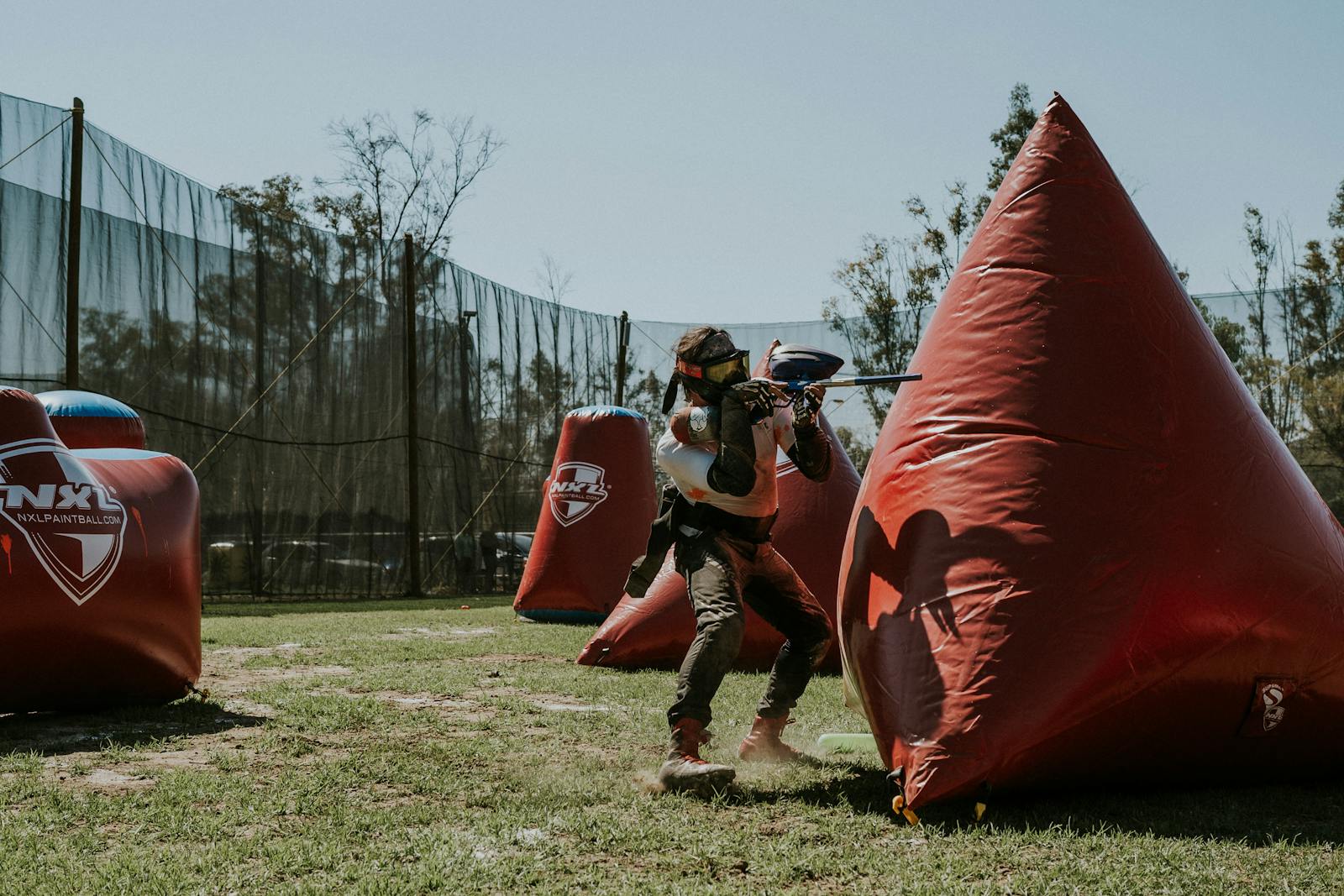
That covers go-kart tracks, axe-throwing venues, paintball and airsoft fields, laser-tag arenas, climbing walls, ropes courses, trampoline parks, bowling alleys, batting cages, and the activity floors of family entertainment centers. If people pay to do something physical on your premises, a standard GL policy has a participant exclusion that Participant Injury coverage exists to close.
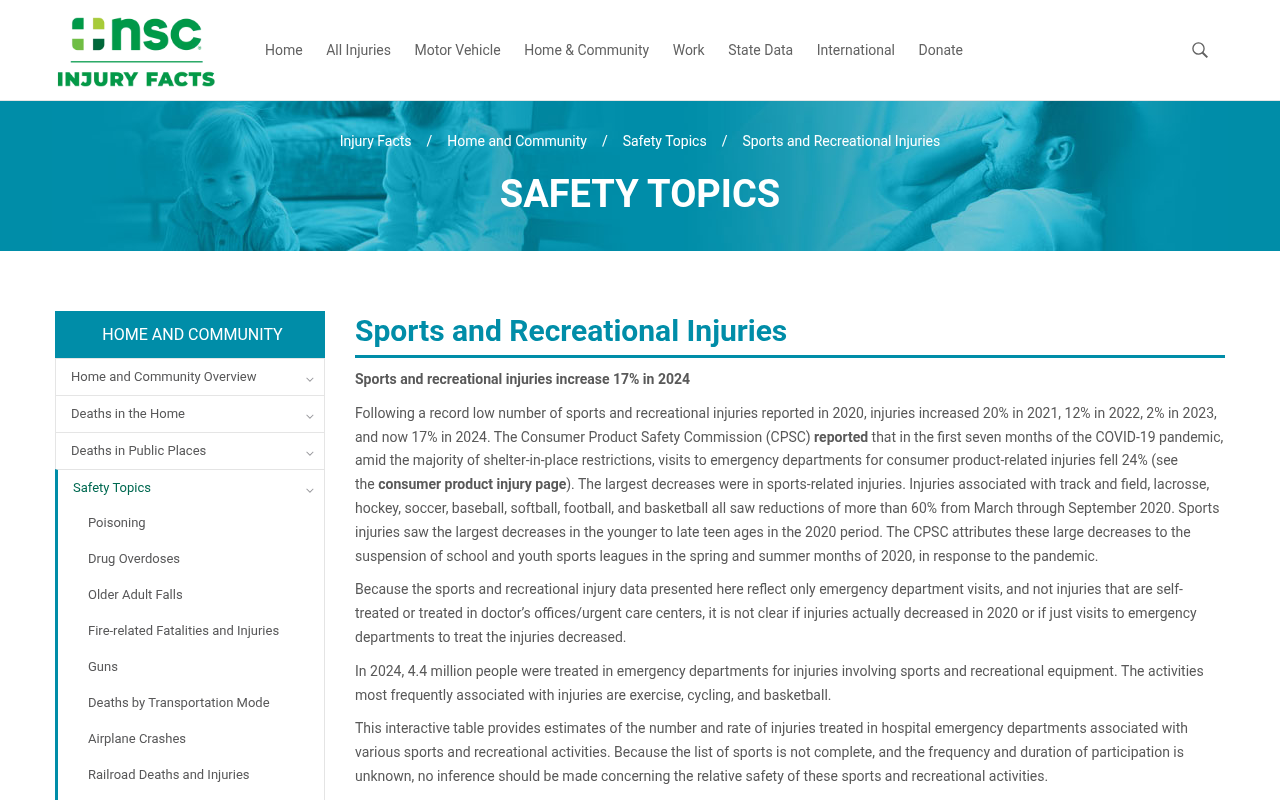
Reference source · National Safety Council Injury Facts (NEISS-based)
NSC Injury Facts page on sports and recreational injuries, 2024 update. Sports and recreational ED visits totaled 4.4 million in 2024, a 17% rise from 2023, compounding the +20% (2021), +12% (2022), and +2% (2023) of the prior three years. These are precisely the participant claims a GL-only policy will not pay.
Source: injuryfacts.nsc.org/home-and-community/safety-topics/sports-and-recreational-injuries
The frequency is not theoretical. In 2024, 4.4 million people were treated in U.S. emergency departments for sports and recreational equipment injuries, a 17% jump from 2023 and the fourth consecutive year of double-digit-plus growth (National Safety Council, Injury Facts, analyzing CPSC NEISS data). Those injuries are overwhelmingly to participants, the people a GL-only policy excludes.
Ask one question at renewal: does this policy have a participant exclusion, and do I have Participant Accident and Participant Legal Liability to answer it? If the answers are yes and no, there is a gap, and it sits exactly where your claims are most likely to land.
Bobby Sharp, Action Sports Practice Lead, Specialty Insurance
That is the difference an operator hears about after a real policy read, not just in the underwriter's voice but in the customer's.
"Specialty Insurance diligently takes their time and works with you, making sure your business has all the correct and specific coverages you need. There is no other source out there that does what they do."
Gel Tag San Diego LLC
Verified customer review
The four mistakes operators make on this gap
The participant gap produces the same handful of errors across every action-sports vertical.
- Assuming GL covers participants. The most common and most expensive assumption. The word "general" does the damage.
- Treating the waiver as the substitute. A waiver is a defense, not a coverage. It does not pay a medical bill or a defense cost. We cover the distinction in do waivers replace insurance.
- Confusing Participant Accident with Participant Legal Liability. They are different coverages. Accident pays medical no-fault; Legal Liability defends and pays judgments. A venue usually wants both, and a policy that names only one has half the answer.
- Letting an umbrella sit on a participant-excluded base. An umbrella inherits the exclusions of the policy beneath it. An umbrella over a GL policy with the participant exclusion does not extend coverage to participants. The umbrella has to sit over a participant-injury base to do that.
How to confirm your coverage
Two direct questions to your broker settle it.
First: Does my General Liability policy contain a participant or athletic-participants exclusion? Ask for the endorsement, by form number. CG 21 01 is the common one.
Second: Does my policy include Participant Accident coverage and Participant Legal Liability coverage, named as such?
If the answer to the first is yes and the answer to the second is no, you have the gap, and it needs to be closed before the next claim, not after it. The cornerstone breakdown for paintball fields specifically is in why your paintball field's GL policy probably has gaps.
Frequently Asked Questions
What is the difference between participant injury and general liability insurance?
General Liability covers third parties: spectators, vendors, visitors. Participant Injury covers the paying customer who is actively doing the activity. Most GL policies exclude participants, so an action-sports venue needs both.
What is a participant exclusion?
It is an endorsement, commonly ISO form CG 21 01, that removes general liability coverage for bodily injury to anyone participating in the sport or activity the business sponsors. At an action-sports venue it excludes the customers.
What is the difference between Participant Accident and Participant Legal Liability?
Participant Accident is no-fault medical-payment coverage that pays an injured participant's medical bills regardless of fault. Participant Legal Liability extends liability coverage to participant claims, defending the venue and paying judgments when it is found responsible. Most venues want both.
Does my umbrella policy cover participant claims?
Only if the policy beneath it does. An umbrella inherits the exclusions of the underlying policy. An umbrella over a GL policy with the participant exclusion does not extend coverage to participants; it needs a participant-injury base.
Which businesses need participant injury coverage?
Any business where customers physically participate: go-karts, axe throwing, paintball, airsoft, laser tag, climbing walls, ropes courses, trampoline parks, bowling, batting cages, and family entertainment centers. If customers pay to do something physical, the GL participant exclusion applies.
Sources
- ISO Commercial General Liability form CG 21 01, "Exclusion: Athletic Or Sports Participants." insurancexdate.com
- National Safety Council, Injury Facts. Sports and Recreational Injuries (NEISS-based analysis). injuryfacts.nsc.org/home-and-community/safety-topics/sports-and-recreational-injuries
- Specialty Insurance. The Action-Sports Coverage Gaps a Generalist Agent Will Miss
- Specialty Insurance. Do Waivers Replace Insurance?